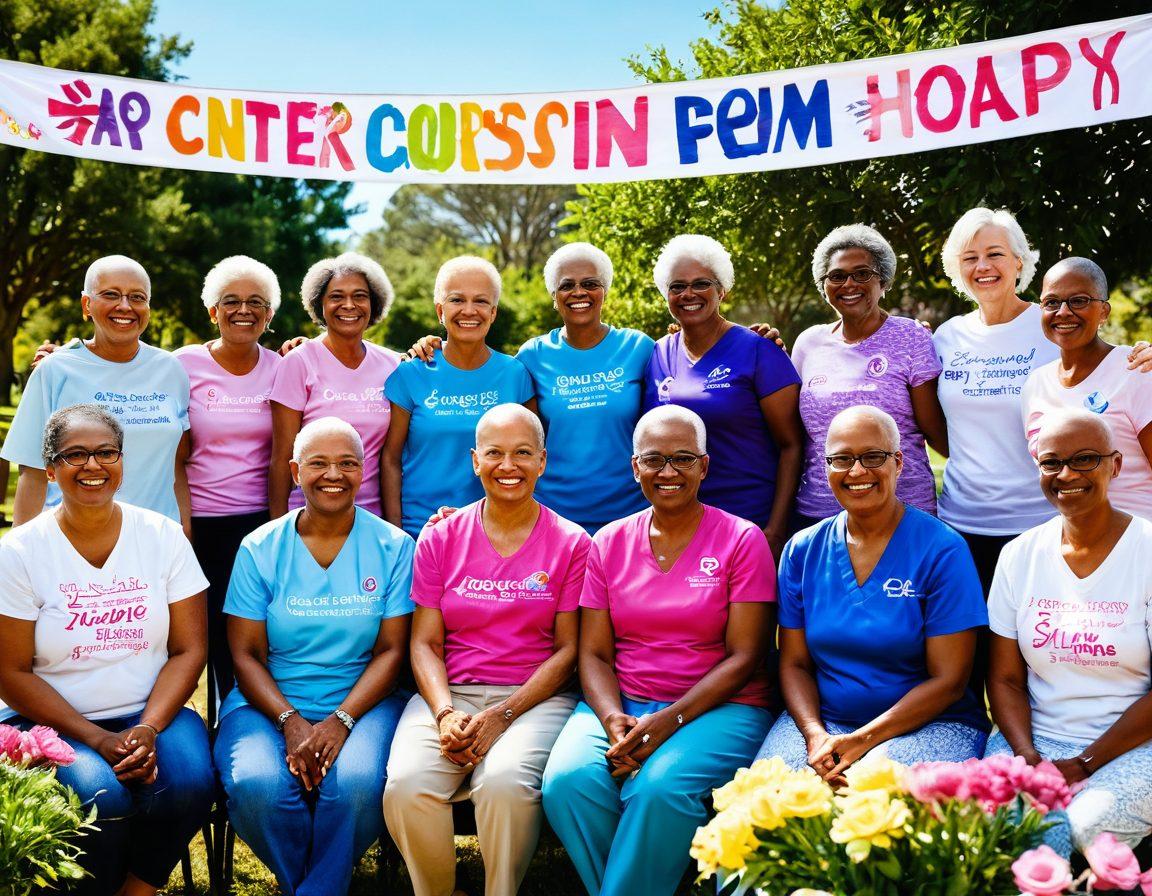
Navigating the Journey: Empowering Cancer Care and Support for Survivorship
Cancer—this word itself can conjure fear and uncertainty. Yet, for many, it's also a catalyst for transformation, courage, and resilience. So how can we empower lives through comprehensive strategies in cancer care and support? By embracing a holistic approach that encompasses everything from innovative medical research to patient advocacy and wellness communities, we can transform the cancer journey from one of fear to one of hope.
Imagine the power of knowledge, much like a compass guiding our way through the murky waters of malignancy and neoplasm. With early detection and screening tests, lives can be saved, and the path to recovery can become much clearer. It’s crucial for patients, families, and even friends to engage in health education. What does it mean to empower yourself? It begins with understanding your rights and options within oncology, which lays the groundwork for effective cancer survivorship.
Empowerment doesn’t stop with medical intervention. It's also about cultivating resilience through lifestyle changes, fitness, and nutritional support. Can you visualize a support group meeting where laughter intermingles with tears, where members share not just their struggles but also their victories? This wellness community acts as a pillar of strength, reinforcing that, despite the chronic illness or the looming shadow of advanced treatment methods such as radiation therapy and chemotherapy, no one is truly alone.
Let's delve into patient support and symptom management. For years, the spotlight shone solely on the physical aspects of cancer care, often overlooking mental health’s essential role. As the new mantra goes: ‘Your mental health is not separate from your cancer care; it's an integral part of your healing.’ Alternative therapies, such as mindfulness and counseling, combined with conventional treatments like biopsies and tumor markers, can foster a comprehensive health promotion plan, enabling patients to flourish on their road to recovery.
Lastly, consider the importance of resources for patients. From clinical trials to palliative care options, it’s vital to navigate every available avenue. Every cancer statistic tells a story, and behind every number is a unique individual fighting against the odds. How can we, as a society, elevate cancer advocacy to ensure every patient has access to the best possible resources? By continuing the conversation, sharing in community support, and promoting awareness, we can drive change, inspire hope, and ultimately empower lives in the difficult journey of cancer care.
Navigating the Cancer Journey: From Early Detection to Holistic Health
Navigating the cancer journey is akin to sailing through uncharted waters. Each patient’s experience is unique and filled with waves of emotions, decisions, and an often overwhelming amount of information. Yet, within that tumultuous sea, there lies hope and empowerment. From early detection to holistic health, there is a roadmap to guide patients and families through the frequently turbulent times brought on by malignancy. How do we navigate these waters effectively? This journey is not merely about fighting cancer; it’s about nurturing the spirit, supporting the body, and promoting well-being in the face of adversity.
Imagine being in a room crowded with information about oncology, treatments, clinical trials, and support groups. It can feel like a whirlwind, especially when dealing with the diagnosis of a tumor or neoplasm. The statistics can be daunting, but it’s vital to understand that early detection can significantly improve outcomes. Screening tests help identify cancer before symptoms arise, and awareness is indeed the first step in becoming an advocate for one’s own health. Remember, 'knowledge is power'—and in the world of cancer advocacy, well-informed patients can co-create treatment plans with their healthcare teams.
As we transition from treatment to survivorship, the focus shifts from battling cancer to nurturing holistic health. Survivorship is more than being cancer-free; it’s about reclaiming life and embracing wellness communities that support chronic illness management. From nutritional support that boosts the immune system to mental health resources that encourage emotional wellbeing, every aspect plays a role in post-treatment life. It invites intriguing questions: What lifestyle changes can optimize my health? How can I find balance amidst the chaos that often follows a cancer diagnosis?
Palliative care, along with symptom management strategies, becomes essential in the care continuum. It’s not about giving up; rather, it’s about enhancing the quality of life, whether through alternative therapies, fitness regimens, or simply joining support groups where shared experiences foster healing. Let’s not forget that maintaining a healthy lifestyle feeds into preventive health. 'It’s the little things that count'—perhaps it's taking walks more often, focusing on a balanced diet, or even engaging in cancer research and health education initiatives to stay active and informed.
In this continuing journey, survivors don’t walk alone. Resources for patients flourish amid the vast ocean of cancer care. Whether navigating clinical trials or seeking emotional outlets, it’s essential to connect with others who understand the unique challenges posed by a cancer diagnosis. Remember, we are all part of a larger wellness community, united by our experiences, struggles, and triumphs. Share your story; engage with others; you might just discover that your journey inspires someone else to navigate their own path with newfound hope.
Building a Supportive Community: Advocacy and Resources for Cancer Survivorship
In the challenging landscape of cancer survivorship, building a supportive community is not just important – it’s essential. The road through diagnosis, treatment, and recovery can often feel like traversing a dense fog, with uncertainty lurking around every corner. However, when patients hold hands with a community that understands their journey, the path becomes a little clearer. Advocacy in this space isn’t merely about speaking out; it’s about creating tangible resources that empower individuals to navigate their survivorship effectively. As author Maya Angelou famously said, 'I can be changed by what happens to me. But I refuse to be reduced by it.' This spirit of resilience must be fostered within our wellness community.
Creating a supportive environment for those facing malignancy is crucial. Not just for the patients, but also for their family and friends. When someone is diagnosed with a neoplasm, it often transforms the entire household, putting a strain on mental health and emotional well-being. This is where patient support groups play a vital role. These groups provide a safe haven where individuals can share experiences, learn about symptom management, and find comfort in knowing they're not alone. Support groups can lead to health education opportunities, empowering members with knowledge about their options for preventive health, such as dietary changes or alternative therapies that may enhance their lifestyles post-treatment.
In the realm of cancer care, advocacy must extend beyond individual support to encompass greater health promotion efforts. This involves elevating awareness about cancer statistics, promoting early detection through screening tests, and supporting medical research. Our collective response to the challenges of cancer can literally change lives. There are ambitious thinkers who are advocating for systemic changes to improve access to clinical trials and palliative care options, ensuring every patient has the best resources available for their journey. How can we strengthen these advocacy voices? Can we each play a part in this larger narrative for wellness and healing?
Moreover, how do lifestyle changes enhance survivorship? Through fitness and nutritional support, individuals can significantly bolster their immune system, which has often been compromised due to treatments like chemotherapy or radiation therapy. Those are not just treatments; they are significant battles in understanding one’s body and the attributes that contribute to lifelong health. As we build our recovery plans, let’s encourage each other to engage in fitness routines that bring joy and promote mental clarity. Integrating a mindful approach to nutrition can help alleviate symptoms, enhance well-being, and create a stronger foundation for living with a chronic illness.
Lastly, as we engage with our community and embrace cancer advocacy, we must remember the importance of holistic health. This approach recognizes the interconnectedness of mental, emotional, and physical facets of recovery. As we foster discussions surrounding symptom management, alternative therapies, and lifestyle changes, let’s also ensure that we highlight mental health resources. Through advocacy and unwavering support, we lay the groundwork for a robust community that not only survives but thrives. And every journey begins with a single step—what can you do today to empower someone on their path to recovery?